
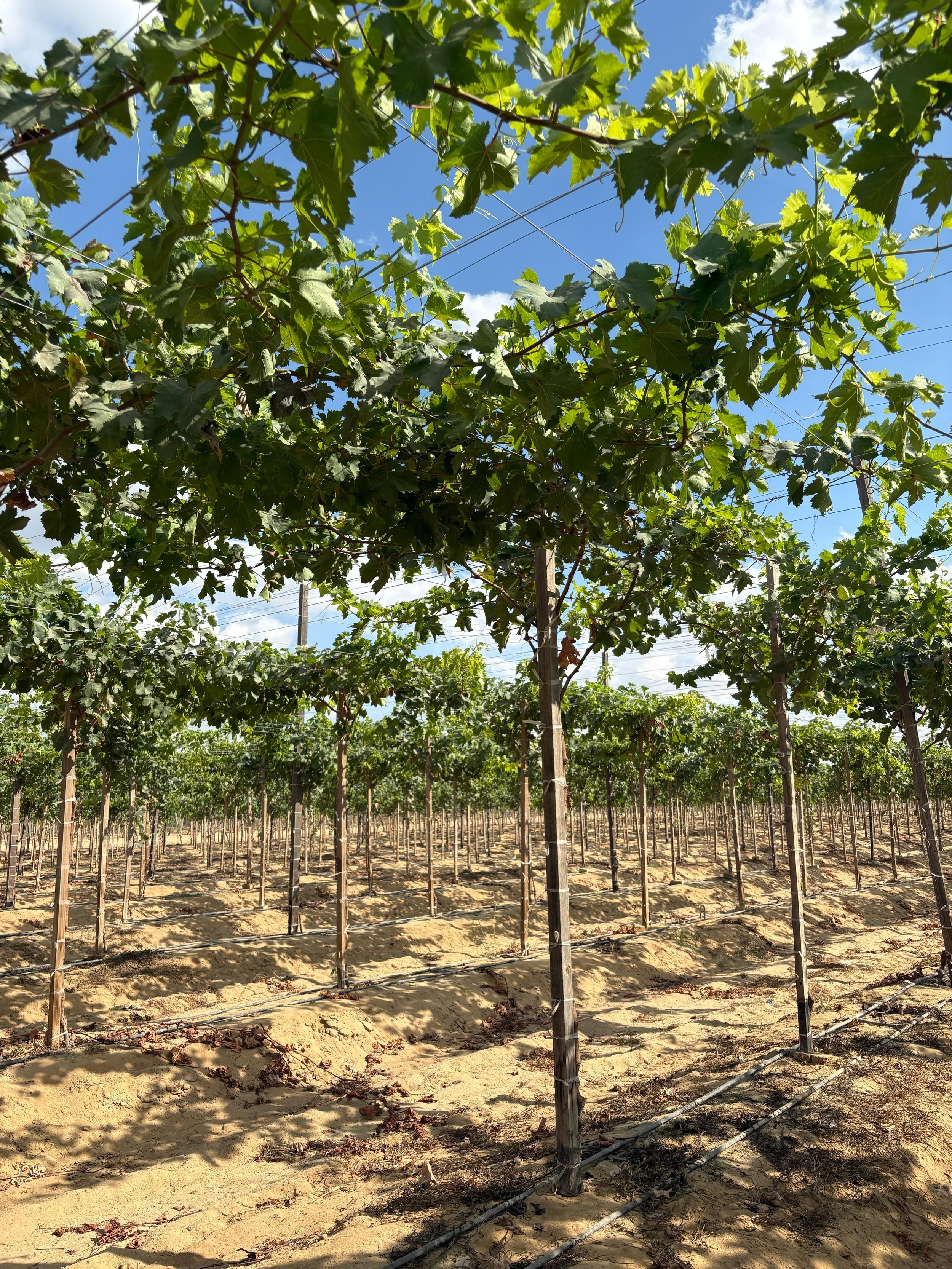
With an expanded table grape industry and evolving nursery practices, Egypt is emerging as a promising market for grapevine grafting. In September and October 2026, Wax & Grafts travelled to Egypt to meet local nurseries, explore their production methods and better understand the opportunities offered by this dynamic market.
A major table grape producer
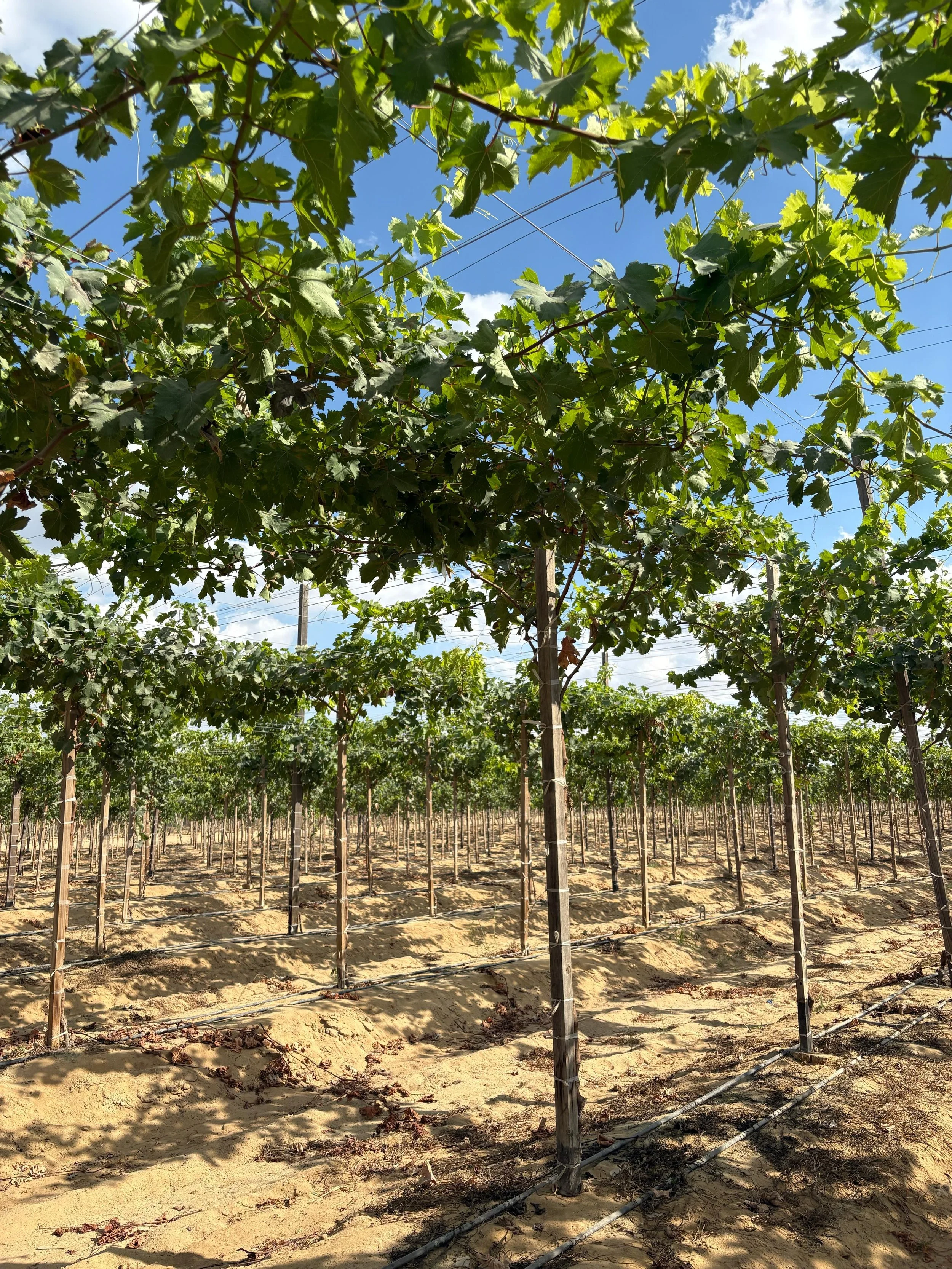
Egypt produces essentially table grapes, and represents almost 6% of the world production, thanks to favourable growing conditions, export demand and continuous investment in new varieties.
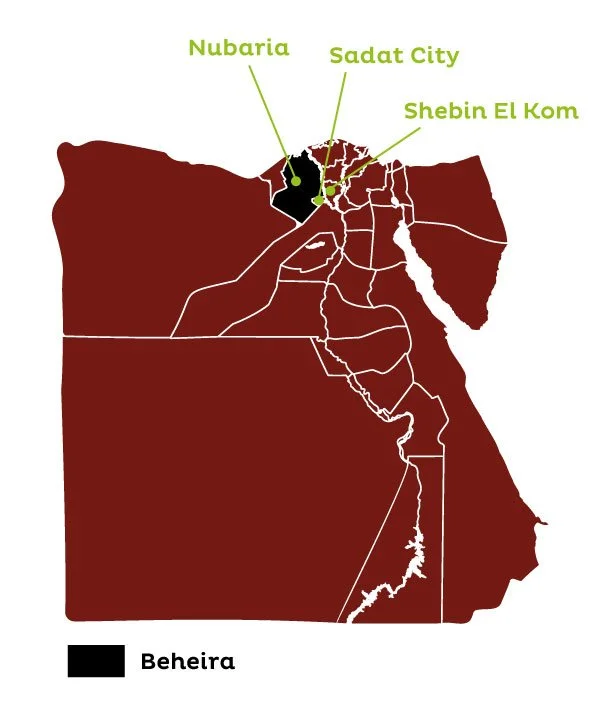
With approximately 76,000 hectares of table grape vineyards and an annual production of around 1.63 million tonnes in 2025/2026 (1), the country ranks has the world’s 5th lasgest producer. The harvested area continues to expand, with an estimated increase of around 1,000 hectares per year.
65% of the production is concentrated in the Beheira region, particularly around Nubaria. Sadat City is another important agricultural and export hub.
The development of new high-value table grape varieties is also transforming the sector. Traditional varieties such as Thompson Seedless and Flame Seedless are progressively being replaced by licensed varieties like ARRA and Sun World.
This evolution is driving vineyard renewal and increasing demand for high-quality planting material.
Discovering Egypt’s grapevine nurseries
From September 29 to October 3, 2026, Wax&Grafts carried out a market exploration trip to Egypt, visiting several nurseries and grape growers.
The visits focused on two major nursery production areas: Shebin El Kom and Sadat City.
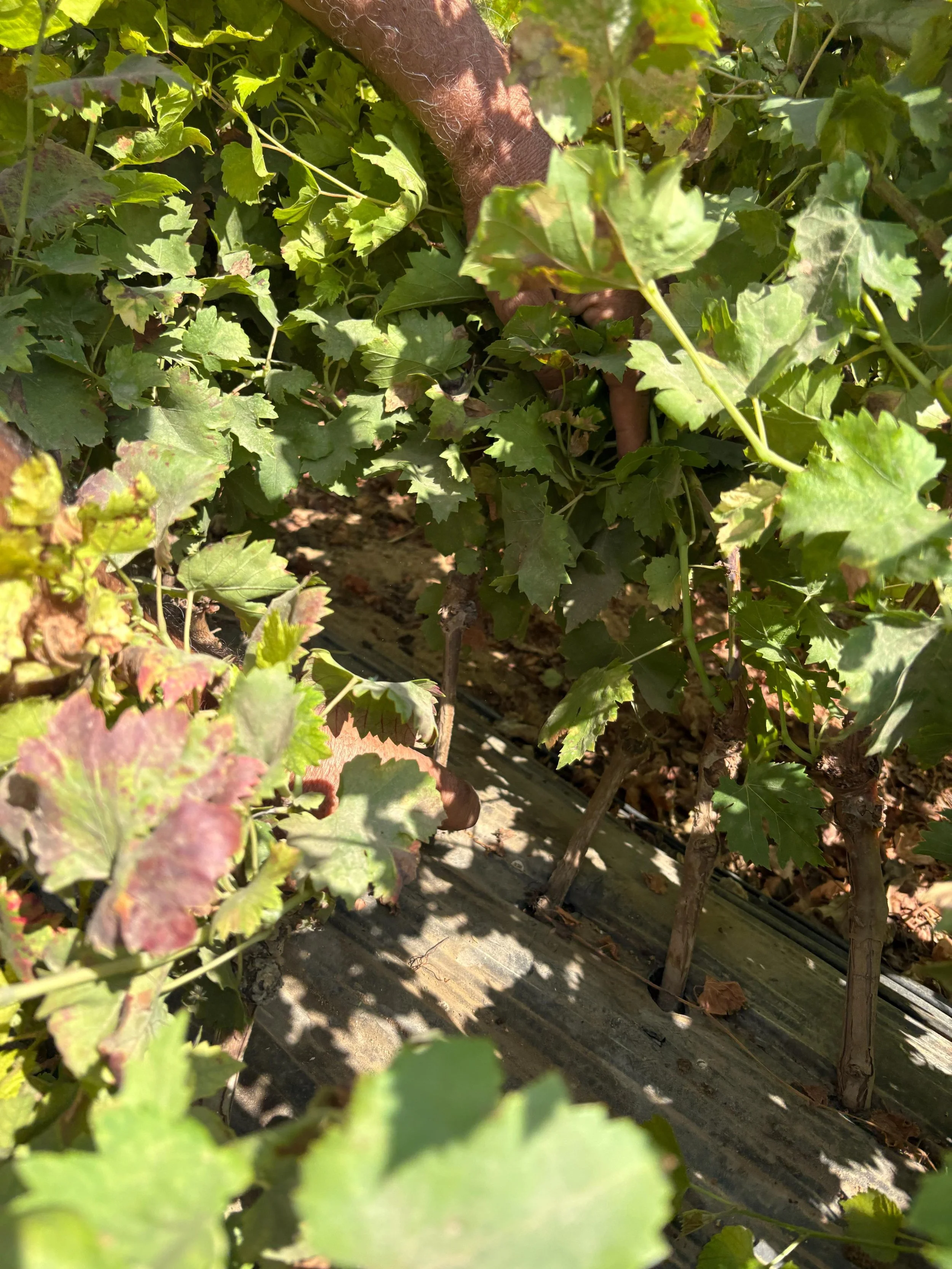
One of the most striking characteristics of the Egyptian nursery sector is its organisation. While large grape growers (exporters) run in-house nurseries, numerous small nurseries work as subcontractors and produce grafted vines for larger nurseries and farms.
That’s why it is difficult to assess the actual volume of grafted vine production. Based on field observations, Wax&Grafts estimates that Egyptian nurseries could produce between 15 and 20 million grafted vines annually.
The visits also highlighted the importance of technical expertise and reliable grafting methods to meet the quality requirements of modern table grape production.
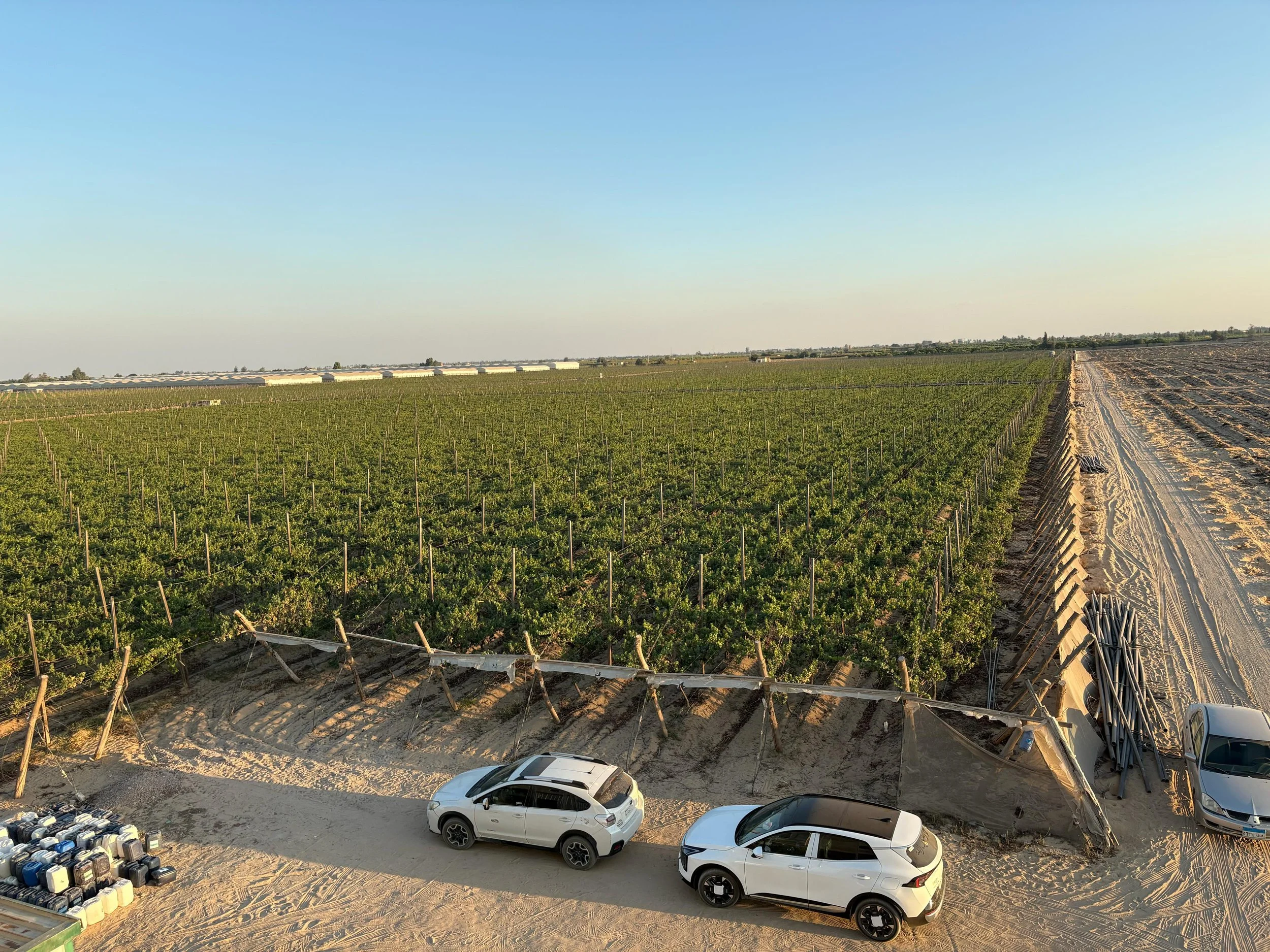
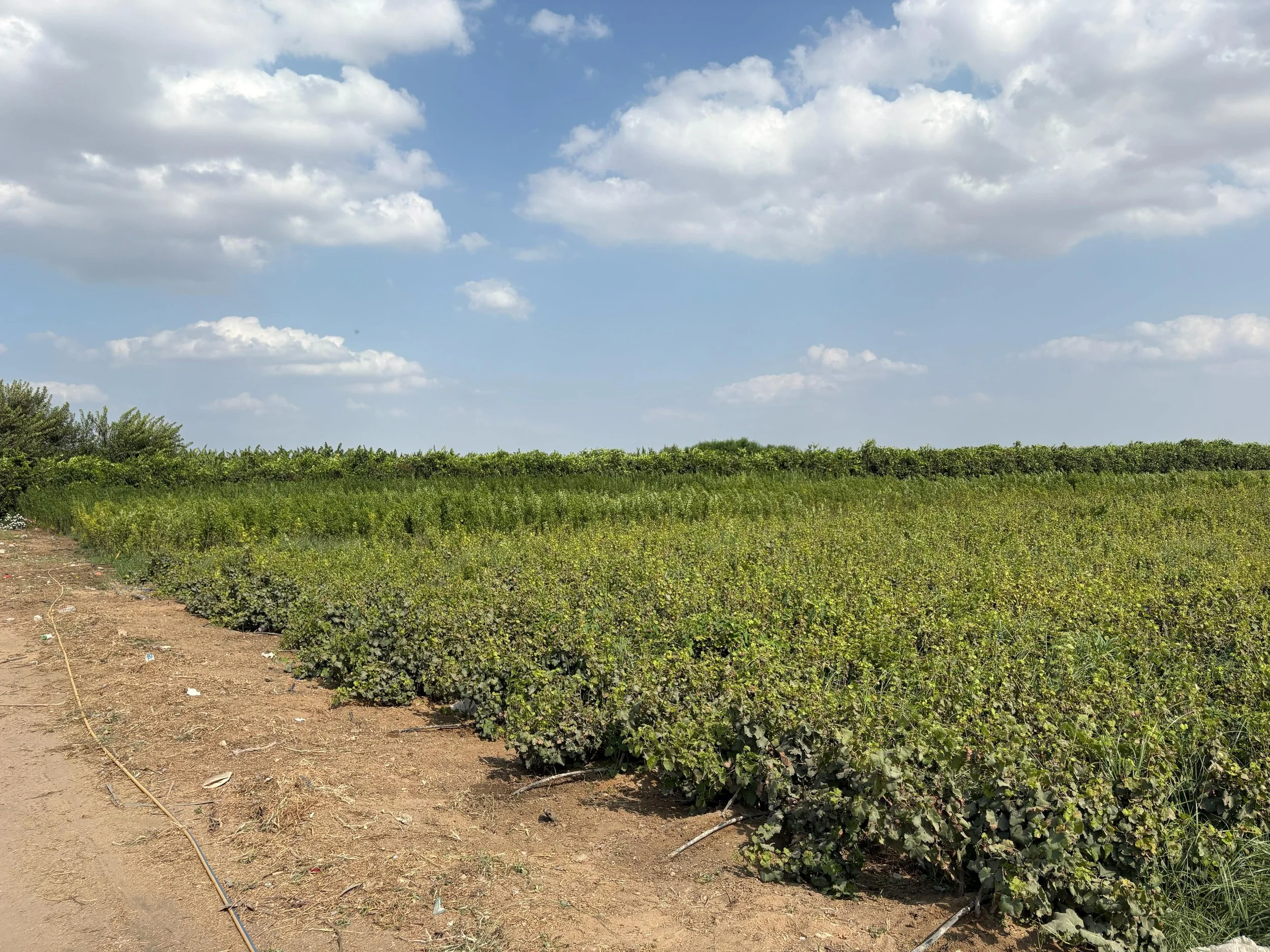
From manual grafting to mechanisation: a promising market for Wax&Grafts
One of the most relevant findings of this trip concerns the evolution of grafting techniques.
Manual grafting remains the dominant practice among Egyptian grapevine nurseries. Consequently, the use of grafting wax is not common in this area. However, the situation is beginning to change.
Some nurseries have recently been introduced to mechanical grafting technologies, particularly Omega grafting machines, which are widely used in other grapevine-producing countries.
Mechanical grafting, as well as the shift towards licensed varieties, create new requirements in terms of graft protection and production processes. Consequently for Wax&Grafts, these developments open up opportunities to share technical knowledge and support nurseries as they explore new production methods.
As grafting techniques continue to evolve, staying close to producers and understanding their specific needs will be essential to supporting the industry's development. Through its international activities, Wax&Grafts continues to build connections with grapevine nurseries around the world, sharing knowledge and identifying new opportunities for technical cooperation.
(1) source : peitrade.com