
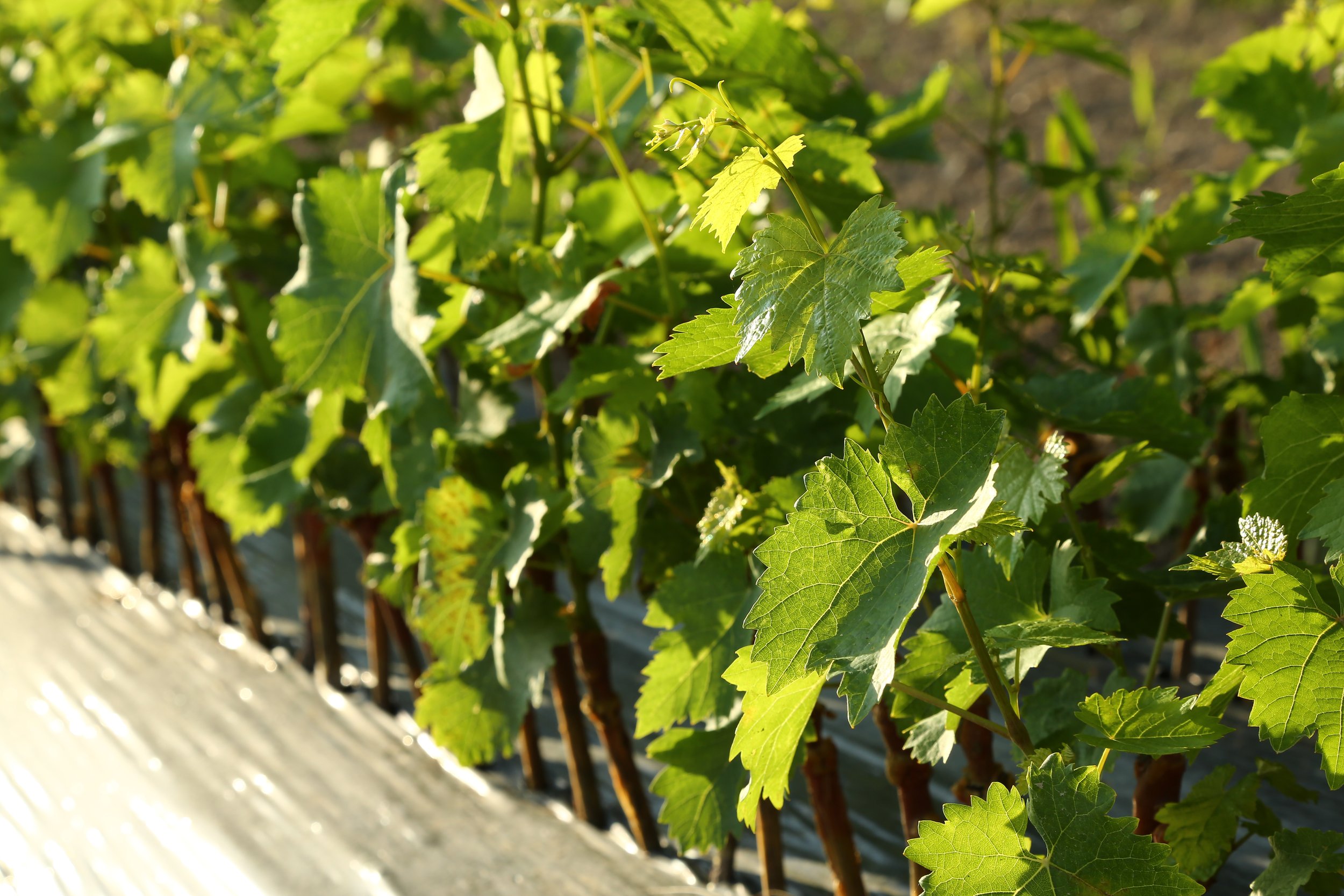
Declining wine consumption, vine removal and growing technical challenges: the grapevine nursery sector is facing significant changes. From France to California, Italy and other major producing regions, recent observations reveal an industry under pressure, but which is also preparing for the future.
A sharp decline in grapevine plant production
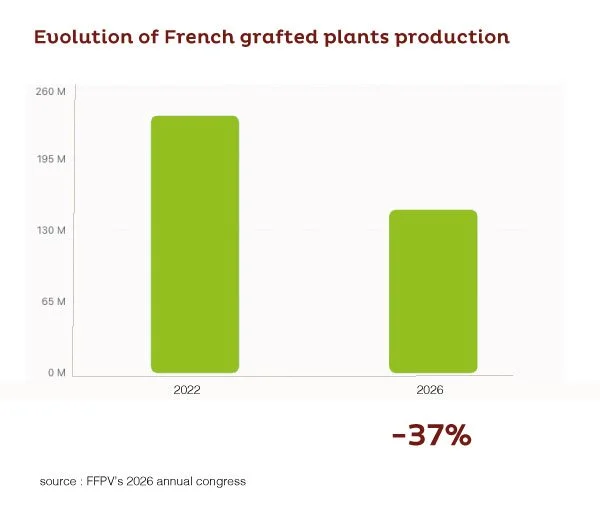
France, one of the world's leading producers of grafted grapevine plants, provides a particularly striking illustration of the current market situation. According to Federation of Grapevine Nurseries (FFPV) figures, production of grafted vines has dropped considerably these last years.
In 2026, French nurseries produced approximately 148 million grafted vines, compared with 234 million in 2022 — a decline of nearly 37% within four years.
The number of professionals is also decreasing: France now counts 635 registered nursery professionals, which represents a 39% decline over the past 15 years.
This trend is a consequence of the raise of unsold production. Between 9% and 23% of the production has remained unsold over the past three years, generating considerable financial pressure on nurseries.
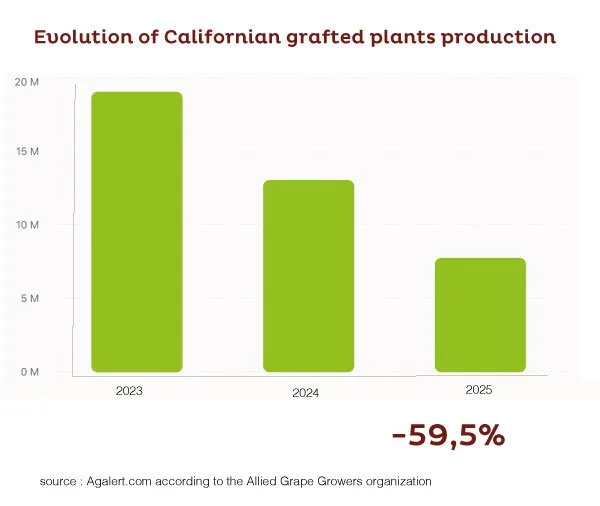
The French situation reflects a global trend ; indeed, Californa has been roughly hit with a drop of nealy 60% of grapevine production between 2023 and 2025 (1). In fact, wider crisis in the wine industry, where declining demand and uncertainty over future planting needs are affecting the entire supply chain.
Vine removal vs vine renewal
To face this consuption crisis, the leading wine producers have to adapt their production to the market demand.
Vine removal remains today the main response. It has been broadly adopted by France with a premium system to compensate for the winegrowers’ losses : in the only Bordeaux Region, more than 21000 hectares have been removed since 2023. In total, more than 26 000 hectares of vineyard have been ripped out in France and a further national removal scheme was launched in 2026, with applications covering nearly 28,000 additional hectares across France.
California has also driven a massive removal campaign : between August 2025 and August 2026, approximately 19000 hectares (47229 acres) of vineyards were removed.
In the exception of some emerging wine countries such as Mexico ou Russia who keep on planting, the world's vineyard area has declined for six consecutive years, reaching approximately 7 million hectares in 2025 — a reduction of nearly 5% since 2020.(2)
Such large-scale removals are reshaping the vineyard landscape and creating uncertainty for suppliers of planting material.
In Italy, the strategy looks however quite different. The sector is questioning the balance between vineyard removal and renewal. In fact, in October 2026, representatives of the Italian nursery industry called for greater support for vineyard renewal rather than public funding for vine removal, highlighting the importance of maintaining productive vineyards and promoting certified planting material.(3) Their proposal goes beyond simply replacing ageing vines. It calls for a long-term strategy based on climate-adapted rootstocks, disease-resistant varieties, and vineyard adatpations to meet future market demands.
These developments illustrate a common challenge: how can nurseries adapt their production capacity to changing vineyard needs while maintaining the technical expertise required for future replanting?
An industry becoming more concentrated
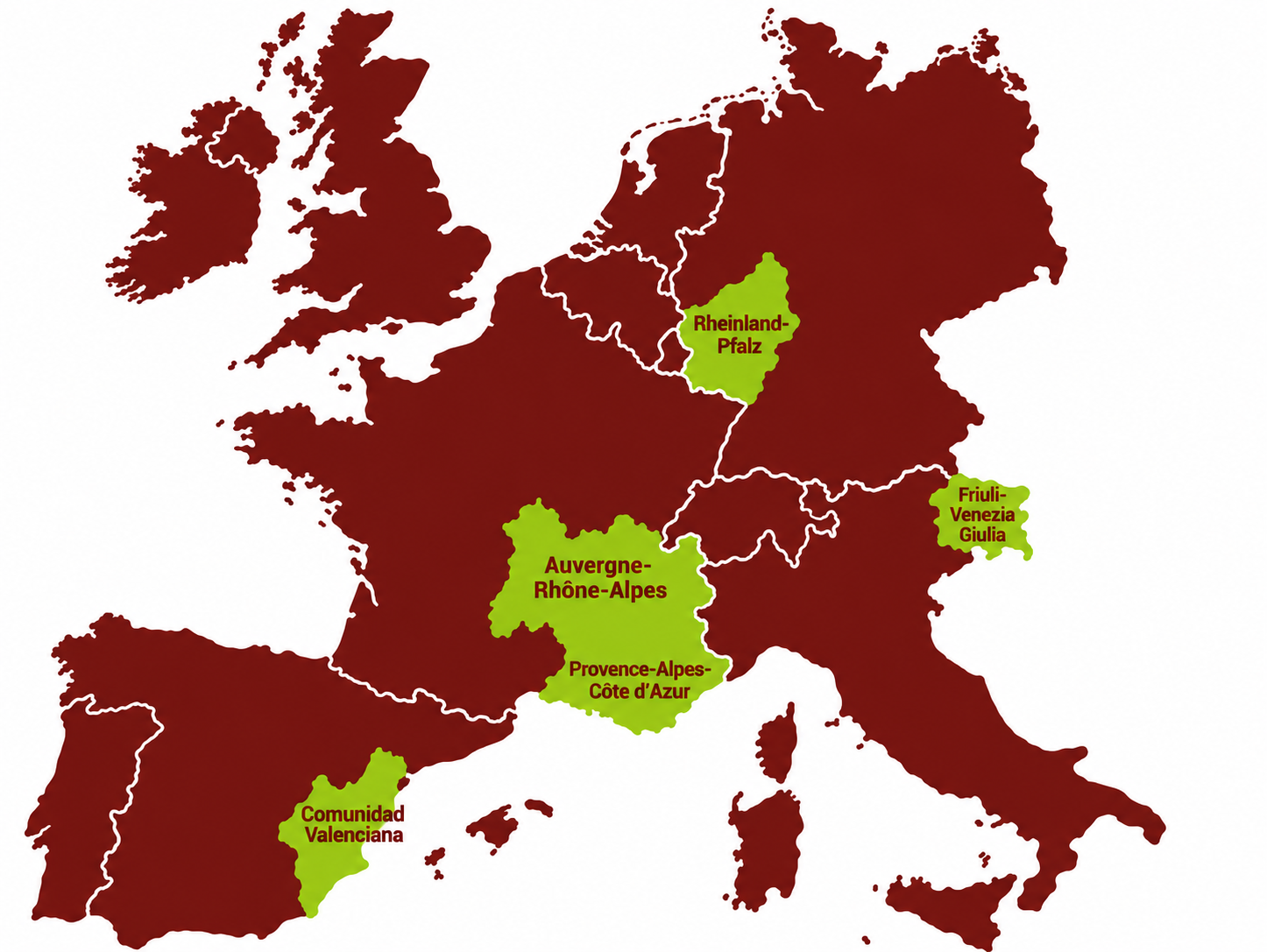
Concentration of more than 50% of grapevine nurseries in each country
The decline in the number of nursery businesses is another important consequence of the global market contraction. In France, as mentionned above, the sector has lost a significant share of its professionals over the past 15 years. In California, declining plant sales and financial difficulties are also affecting nursery operators and supporting organisations.
Plants production is also increasingly concentrated in specific geographical regions.
In France, South-East regions account for approximately 56% of nursery production. In Italy, Friuli Venezia Giulia represents more than half of national grapevine plant production, while Spain's Valencian Community accounts for around 65% of the country's grafted plants, according to available regional figures.
This concentration underlines the importance of specialised production areas and the expertise developed within them.
Climate adaptation and resistant varieties: key priorities
Despite the difficult market environment, technical innovation remains essential for nurseries to stay competitive.
Climate change, particularly increasing drought pressure, is encouraging research into new rootstocks and more resilient grapevine varieties.
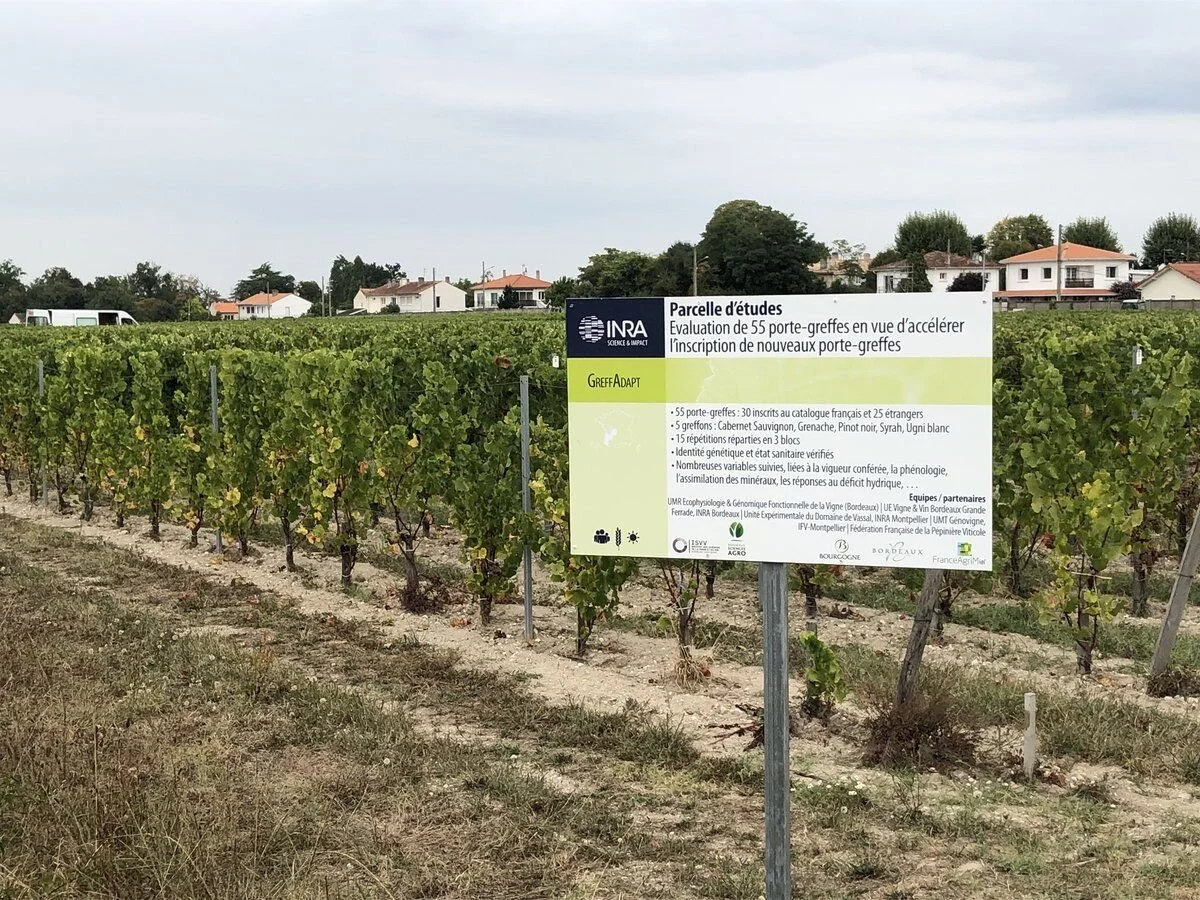
GreffAdapt experimental plot
Located at INRAE, Bordeaux
Several countries are actively working on these challenges:
France: research programmes such as GreffAdapt and PG-DefHy are exploring rootstock adaptation to changing environmental conditions. Recent research has also highlighted the crucial role of rootstocks in grapevine mineral nutrition, suggesting that nutrient deficiencies (particularly phosphorus and magnesium) may be more strongly influenced by the rootstock than by the grafted variety itself. These findings underline the importance of rootstock selection in developing more resilient vineyards.(4)
Italy: the M-series (M1 to M4) rootstocks have proven their efficiency under water stress
Spain, Germany and also California are conducting research programs on the performance of rootstocks, particularly in response to droughts but also to certain diseases
Resistant grapevine varieties are also receiving increased attention, although their development is not uniform. In France, production of Souvignier Gris planting material increased by 46% in 2026, reaching approximately 1.61 million plants. However, other resistant varieties have seen declining volumes, while cases of resistance breakdown highlight the need for continued research.
For nurseries, it creates new technical challenges in propagation, grafting and plant quality management.
Plant health remains a major concern
Plant health is another central issue for grapevine nurseries worldwide :
In France, flavescence dorée continues to require strict preventive measures, including hot water treatment, mandatory in certain high-risk regions.

Chauvin’s TEC - Hot Water Treatment Machine
Italy is dealing with challenges linked to Xylella fastidiosa, responsible for Pierce’s disease. The movement of grapevine planting material from demarcated areas is now strictly regulated in the country. In particular, dormant grapevine plants may only be moved out of these areas under specific conditions, including production by a registered operator and hot-water treatment at 50°C for 45 minutes in an authorised facility. These requirements highlight the growing importance of plant health monitoring, traceability and preventive measures throughout the grapevine nursery industry. (5)
The Global Plant Genetics company announced plans to introduce five new wine grapes varieties, resistant to Pierce’s diseases, developed by UC Davis to the european market. (6)
In Germany, research programmes are also investigating hot water treatment and nursery plant protection.
These issues reinforce the importance of reliable propagation practices, traceability and high-quality certified planting material.
Looking ahead: adapt to survive in a changing market
The grapevine nursery industry is entering a period of significant adjustment. In several established wine-producing regions, lower plant demand, vineyard removal and financial pressures are challenging traditional production models.
At the same time, climate adaptation, disease resistance, plant health and the need for productive vineyards continue to drive development of new rootstocks and associated technical progress.
For nursery professionals, the coming years will require a combination of market adaptability, technical expertise and knowledge sharing.
While the trends differ from one country to another, one conclusion is clear: the future of grapevine nurseries will depend not only on production volumes, but also on their ability to respond to changing vineyard needs.
At Wax&Grafts, our international relationships with grapevine nurseries allow us to follow these developments closely and exchange knowledge with professionals facing different challenges around the world.
(1) source : Ag-alert, according to the Allied Grape Growers organization
(2) source : International Organisation of Vine and Wine (OIV)
(3) source : winenews.it
(4) source : vitisphere.com – 2025 Terclimpro Congress
(5) source : https://www.protezionedellepiante.it/xylella-fastidiosa/
(6) source : globalplantgenetics.com